TL;DR: What to Do When You Have a Low Libido
- Low Libido Is Common: Changes in sexual desire happen to many people and are often influenced by physical, emotional, or lifestyle factors.
- Identify the Cause: Hormones, stress, medications, sleep, relationship dynamics, and mental health can all impact libido.
- Take Practical Steps: Healthy lifestyle habits, open communication, stress management, and medical guidance can help restore desire.
- Support Is Available: Healthcare professionals, therapists, and couples counseling can provide guidance when libido issues persist.
Understanding the Causes of Low Libido
Libido is influenced by a combination of physical, mental, emotional, and lifestyle factors. Identifying potential causes can help guide effective solutions.
Physical and Hormonal Factors
Your physical health and hormonal balance play a major role in sexual desire.
- Hormonal Changes: Hormones such as testosterone and estrogen influence libido. Changes due to aging, menopause, pregnancy, or medical conditions may reduce sexual desire.
- Medical Conditions: Chronic illnesses, including diabetes, heart disease, and thyroid disorders, can interfere with libido. Persistent fatigue or pain may also reduce interest in intimacy.
- Medications: Certain medications, including some antidepressants, blood pressure medications, and hormonal contraceptives, can have side effects that impact sex drive. Always consult a healthcare provider before adjusting medications.
Psychological and Emotional Influences
Mental and emotional health are closely connected to sexual desire.
- Stress and Anxiety: High stress levels can activate the body’s “fight-or-flight” response, which prioritizes survival functions rather than intimacy.
- Depression: A reduced interest in activities, including sex, is a common symptom of depression.
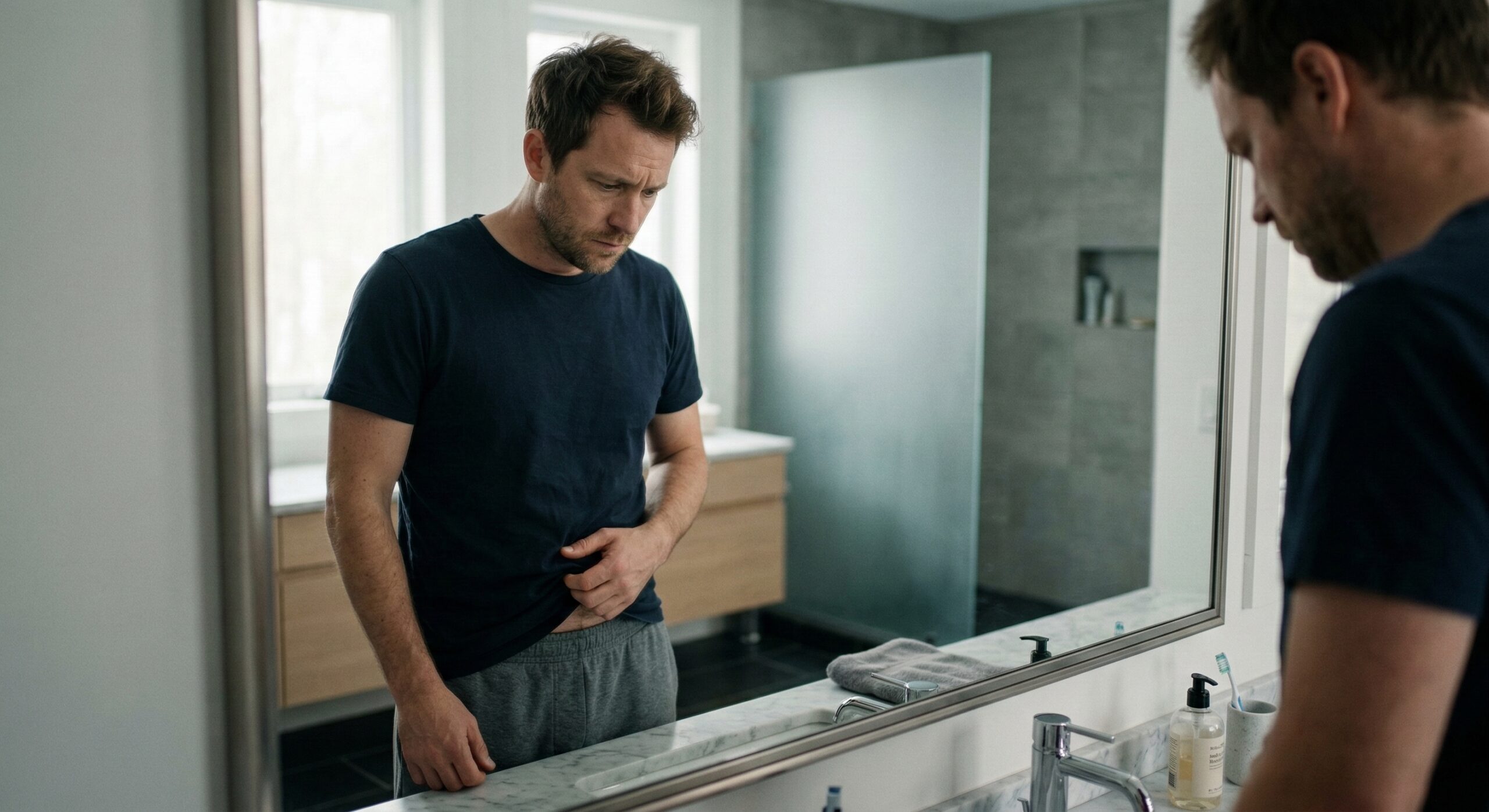
- Self-Esteem and Body Image: Negative body image or low self-confidence may create feelings of self-consciousness that interfere with sexual desire.
Lifestyle and Relationship Dynamics
Daily habits and the quality of your relationship can also affect libido.
- Lack of Sleep: Consistent, restorative sleep supports hormonal balance and energy levels. Chronic sleep deprivation can reduce interest in intimacy.
- Diet and Exercise: Poor nutrition and inactivity can reduce energy and circulation. Balanced nutrition and moderate exercise often support overall well-being.
- Relationship Challenges: Unresolved conflicts, emotional distance, or communication difficulties can affect physical intimacy between partners.
Actionable Steps to Improve Your Libido
Once you identify potential factors affecting your libido, you can begin taking practical steps toward improvement. Progress may take time, so patience and consistency are important.
1. Talk to a Healthcare Professional
Consulting a healthcare provider is often the most effective first step in identifying medical or hormonal causes.
- Be Honest About Symptoms: Share details about your health, medications, and lifestyle.
- Ask About Testing: Blood tests may help evaluate hormone levels and other health markers.
- Discuss Treatment Options: Depending on the cause, treatment may include medication adjustments, hormone therapy, or referrals to specialists.
2. Prioritize Open Communication
If you are in a relationship, honest communication with your partner can reduce pressure and strengthen your emotional connection.
- Choose a Calm Time to Talk: Discuss concerns in a relaxed environment.
- Use “I” Statements: Focus on sharing your feelings rather than assigning blame.
- Explore Non-Sexual Intimacy: Activities such as cuddling, holding hands, or massage can rebuild emotional closeness.
3. Make Positive Lifestyle Changes
Healthy daily habits can support both physical health and sexual well-being.
- Focus on Balanced Nutrition: A diet rich in fruits, vegetables, lean proteins, and healthy fats supports overall health.
- Exercise Regularly: Moderate physical activity can improve mood, circulation, and body confidence.
- Prioritize Sleep: Aim for 7–9 hours of quality sleep each night to maintain energy and hormonal balance.
4. Manage Stress
Reducing stress can help free up the mental and emotional space needed for intimacy.
- Practice Relaxation Techniques: Deep breathing, meditation, or yoga can help calm the nervous system.
- Engage in Enjoyable Activities: Hobbies and leisure time can improve mood and overall well-being.
- Set Healthy Boundaries: Protecting your time and energy helps prevent burnout.
5. Consider Professional Support
When low libido is connected to deeper emotional or relationship challenges, professional support may help.
- Sex Therapy: Certified sex therapists can provide strategies for improving intimacy and sexual well-being.
- Couples Counseling: Relationship counseling can improve communication and resolve conflicts.
- Individual Therapy: Therapy may help address anxiety, depression, trauma, or self-esteem concerns.
The Takeaway
Experiencing a low libido can be frustrating, but it is a common experience with many possible causes and solutions. By understanding the physical, emotional, and lifestyle factors involved, you can begin taking proactive steps toward improving sexual desire.
Consulting healthcare professionals, communicating openly with partners, and making supportive lifestyle changes can help create a path toward renewed intimacy and well-being.
Dr. Alix Agar
Unlock Your True Potential With Life Coaching Services
As a sex therapist, I bring both expertise and a deep passion for helping individuals and couples navigate their most personal challenges. I hold a PhD in Clinical Sexology, am a Licensed Marriage and Family Therapist (LMFT), and am a Certified Sex Therapist, which means I’ve dedicated years to understanding the complexities of human sexuality and relationships.